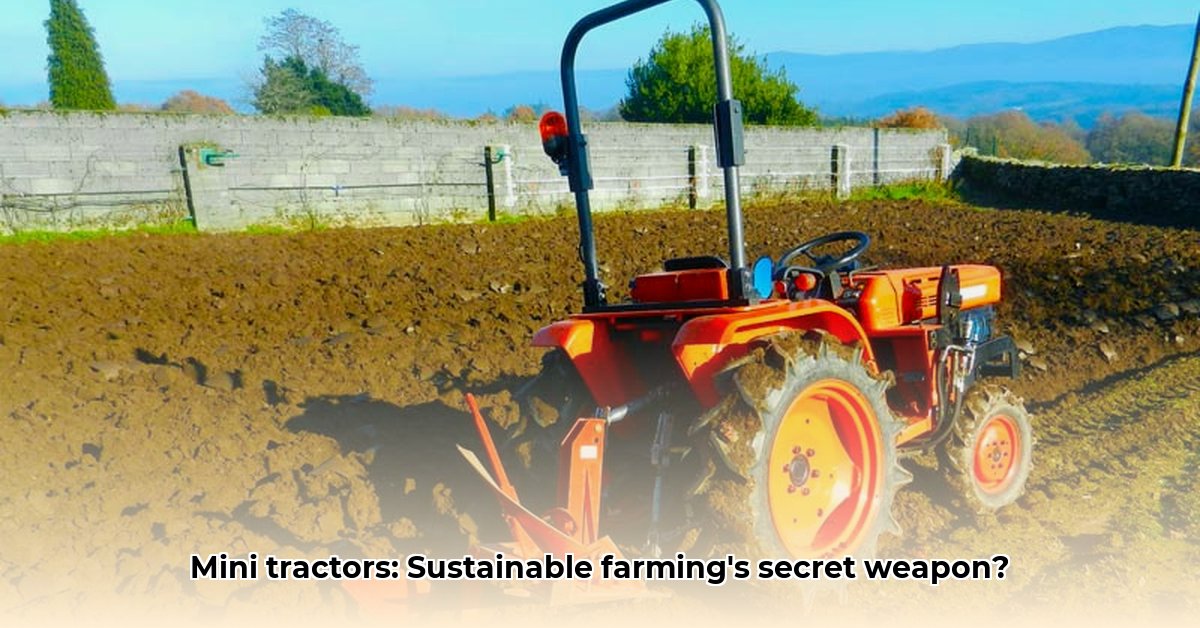
Running a sustainable farm is challenging. Long hours, demanding tasks, and the constant need to optimize resources can feel overwhelming. But imagine accomplishing more, faster, and with a lighter environmental footprint. Mini tractors and their versatile attachments offer a powerful solution, transforming your operation into a well-oiled, eco-conscious machine. This guide provides practical advice on selecting and using these tools to enhance both your farm's efficiency and its sustainability. For more attachment options, check out this helpful resource.
Mini Tractor Attachments: Your Sustainable Farming Allies
Sustainable farming requires careful resource management. Mini tractor attachments significantly improve efficiency, reducing labor, fuel consumption, and environmental impact. This section details how different attachments contribute to a more sustainable agricultural practice. Choosing the right attachments is crucial; understanding their functionalities, benefits, and potential pitfalls empowers you to make informed decisions that both boost your farm's productivity and minimize its environmental footprint.
Plows and Tillers: Optimizing Soil Health for Sustainable Yields
Soil preparation is fundamental in sustainable agriculture. Plows and tillers play different yet equally important roles in this process. The key is selecting the right tool for your specific soil type and farming practices.
Functionality: Plows invert soil, burying weeds and improving drainage. Tillers break up compacted soil, creating an ideal seedbed. Consider conservation tillage techniques like no-till or strip-till to minimize soil disturbance and improve soil health. These reduce erosion, preserve soil carbon, and support beneficial soil organisms.
Sustainable Practices: Minimizing tillage is crucial for sustainability. Reduced tillage conserves soil moisture, reduces fuel consumption, and lowers greenhouse gas emissions compared to intensive tillage methods.
Smart Selection: Consider your soil type, tractor horsepower, and the scale of your operation. A heavy-duty plow is necessary for tough clay soils, while a lighter tiller may suffice for sandy loam.
Safe and Effective Use: Always consult your equipment's manual. Regular maintenance, including lubrication and sharpening, is essential for safety and longevity. Over-tilling can compact soil, reducing water infiltration.
Potential Pitfalls and Mitigation: Soil compaction is a common issue with excessive tillage. Use conservation tillage techniques, and choose the appropriate equipment for your soil type.
Long-Term Thinking: Investing in high-quality equipment reduces replacement costs and ensures consistent performance over time; thereby increasing the economic viability and sustainability of your farming practice.
Pallet Forks: Streamlining Material Handling for Increased Efficiency
Efficient material handling is key to farm productivity. Pallet forks transform your mini tractor into a versatile materials handler, saving time, labor, and fuel.
Functionality: Pallet forks lift and move pallets, drastically reducing manual labor. This is perfect for moving supplies, feed, harvested goods, and more.
Sustainable Practices: Reduced manual labor improves worker safety and well-being. Efficient material handling reduces fuel consumption associated with multiple trips using larger vehicles.
Choosing the Right Forks: Select forks with a weight capacity matching your typical pallet loads. Ensure compatibility with your mini tractor model. Consider safety features like load stabilizers.
Safe Handling: Never exceed the weight limits. Proper loading and maneuvering techniques are essential to prevent accidents and damage.
Risks and Mitigation: Improper handling can cause pallet damage, injuries, or equipment malfunctions. Follow safe operating procedures and receive proper training.
Long-Term Benefits: Efficient material handling increases operational efficiency and reduces overall costs, enhancing the long-term economic viability of your farm.
Flail Mowers: Maintaining Lush Pastures While Protecting the Environment
Maintaining pastures and fields is crucial for livestock and overall farm aesthetics. Flail mowers offer a sustainable solution for efficient mowing.
Functionality: Flail mowers shred grass and brush, creating a fine mulch that returns nutrients to the soil, acting as a natural fertilizer. This eliminates the need for chemical fertilizers, a significant sustainability advantage.
Sustainable Practices: Mulching improves soil health, reduces erosion, and minimizes the need for synthetic fertilizers. The reduced need for fuel compared to other mowing methods also contributes to environmental sustainability.
Selection: Consider the width of the cutter to match your land area and mowing requirements.
Safe Operation and Maintenance: Regular blade sharpening is crucial for efficiency and safety. Always wear appropriate protective gear to avoid injury from flying debris.
Risks and Mitigation: Flying debris is a significant hazard. Proper safety measures, including eye protection, are crucial to mitigate risk.
Long-Term Value: Regular maintenance significantly extends the life of your flail mower, maximizing your return on investment and reducing waste.
Grapples: Versatile Tools for Sustainable Land Management
Grapples are incredibly versatile attachments, significantly simplifying various farm tasks.
Functionality: Grapples grip and move brush, logs, rocks, and other materials, acting as a powerful tool for land clearing and debris management.
Sustainable Practices: Efficient removal of debris improves land aesthetics and productivity, contributing to a more sustainable operation.
Selection: Choose a grapple with sufficient weight capacity and grip strength for the materials you'll be handling.
Safe Usage: Ensure secure attachment before operating. Exercise caution when lifting heavy items.
Risks and Mitigation: Dropped materials can cause damage or injury. Proper training and adherence to safety protocols are paramount.
Long-Term Value: With proper care, your grapple serves as a valuable asset, enhancing your farm's sustainability for years to come.
Choosing Your Mini Tractor Attachments: A Practical Guide
Before investing in mini tractor attachments, consider these critical factors:
- Farm Needs: Identify the specific tasks requiring automation to maximize efficiency.
- Tractor Capabilities: Match attachment power requirements with your tractor's horsepower rating.
- Long-Term Costs: Account for maintenance, repair, fuel savings, and potential environmental benefits in your cost-benefit analysis.
- Environmental Impact: Prioritize attachments that minimize soil disturbance, reduce fuel consumption, and promote biodiversity.
By carefully selecting and utilizing mini tractor attachments, you'll strengthen your farm's sustainability and significantly improve its long-term viability. Remember, informed choices lead to a more productive and eco-friendly farm operation.